there’s a problem with how we help athletes
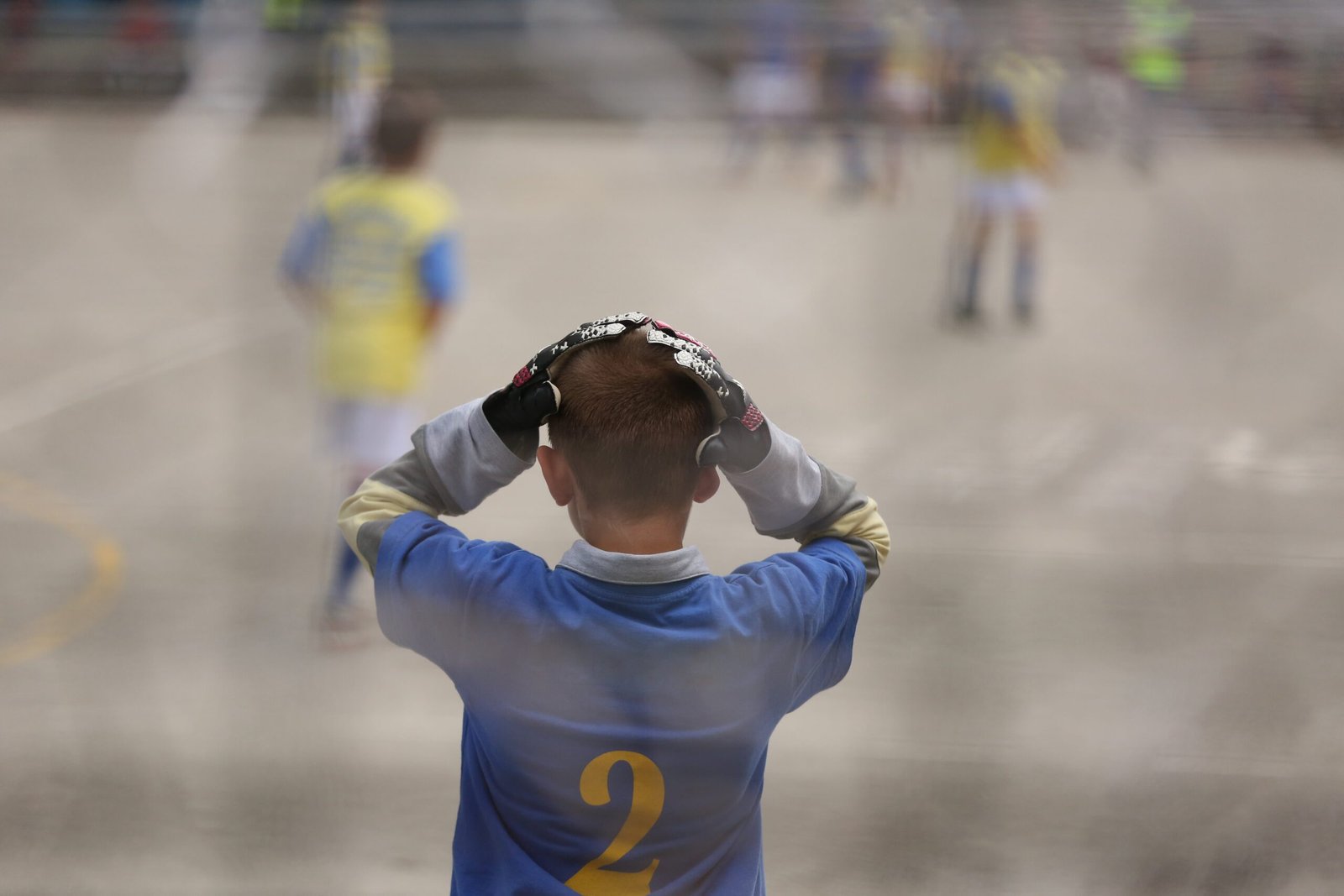
Photo by Marko Milivojevic on Pixnio
On May 28, 2026, NHL legend Claude Lemieux was discovered dead of an apparent suicide in Florida. He was 60 years old. This piece was written shortly after his death.
If you or someone you know is experiencing a mental health crisis, help is available. Call or text a family member, friend, or 988 in the US/Canada – a free, confidential, 24/7 lifeline.
This is not going to be a fun read. I mean, it sure isn’t fun to write. And it’s going to start extremely selfishly.
I’m tired of this.
I’m tired of reading things like AJ Green’s column about Rondale Moore. (It’s a beautiful and tragic piece, and I thank Green for being vulnerable enough to share this with the world.)
I’m tired of the by-the-minute updates on social media of things that family members don’t even know yet.
And I am goddamn sick and fucking tired of seeing athletes I have loved, hated, cheered, and jeered die for entirely preventable reasons.
This isn’t just about CTE
Let me be perfectly clear: This isn’t about death because of the violence of certain sports, though we do need to talk about that. And that does play a factor here. I don’t claim to know why Lemieux took his own life. But I do know that he isn’t alone. So, rather than speculate on him, let me explore something I do know: football.
One of my favorite football players as a child, the legendary Hall of Fame linebacker Junior Seau, committed suicide by shooting himself in the chest. While Seau left no note, his death did mimic that of former NFL player Dave Duerson. Duerson, however, left a message before he died that he wanted his brain to be studied at Boston University as part of their research into chronic traumatic encephalopathy (CTE). (Lemieux’s brain is also being donated to BU.)
Duerson’s story also holds a cruel ironic twist; he was a trustee for the NFL and players’ union retirement plan. That work included deciding if former players would receive benefits related to injuries sustained in the league. The NFL, for years, denied the link between football, head trauma, and neurological and psychological symptoms.
But again, this isn’t directly about CTE or the dangers of violent sports. This is part of something else.
We’re killing athletes
This is about a 2024 analysis of NCAA athlete deaths from 2002-2022 that observed “the proportion of deaths by suicide doubled” between the first ten years and the second ten years of the study. That same year, another study of active professional male soccer players found that there “seems to be a greater prevalence of (mental health symptoms) in active professional male (soccer) players than in the global population and other sports.”
There’s plenty of studies published before or since, but I don’t want to get lost in the evidence. We’ve had the evidence.
No, this is also about Tyler Hilinski. Jovan Belcher. Kyren Lacy. Marshawn Kneeland. Rondale Moore. None of these stories are the same. But I maintain that each and every one was avoidable.
And to step away from football and suicide, this is also about Kyle Busch and Tyler Skaggs.
Busch died on May 21, 2026 of sepsis as a result of pneumonia. According to reports, Busch had been dealing with symptoms in the days and weeks leading up to his death. He was recorded on team radio asking for a doctor after a race on May 10, won a race the next weekend, and began coughing up blood while training in a racing simulator.
Skaggs overdosed in his hotel room on drugs provided to him by Eric Kay, a member of the Los Angeles Angels organization. Kay was found guilty in court on charges connected to Skaggs’ death.
These tragedies shocked and hurt fans across the world. They were also avoidable.
This is our fault
We have this conversation constantly about “protecting athletes from themselves.” I think that’s the wrong way to think about it. We have to teach athletes about the beauty of life after their sport. And we have to do a better job of taking care of them. It’s not about protecting them from themselves. It’s about teaching and re-enforcing that they are more than just athletes.
But we’re not doing that. And it really doesn’t seem like we give a shit.
Everything we do nowadays around sports makes it worse and worse for athletes’ mental health. Gambling and prediction markets have only increased the amount of death threats and vitriol that these athletes face. Social media has increased not only our access to these people, but also has encouraged the worst of hate speech to be directed at them. The focus on making money in these sports have reduced athletes, LITERAL HUMAN BEINGS, to nothing more than commodities.
Teams are lying on injury reports. Fans hurl abuse at players that choose to sit out to protect their own bodies. And the whole time, we just can’t resist the urge to tell athletes not to express themselves or their emotions. Just “shut up and dribble.”
And I’m part of the problem! I’m obsessed with roster construction in the NFL, and I’m as guilty as anyone of reducing human beings into stats and grades. I need to change. But more importantly, the sports world has to change.
I’m tired of burying athletes early.
Leave a Reply